Integrating SMM Panel APIs: A Developer's Quickstart Guide
Introduction
Automating service delivery is the key to scaling any digital marketing agency or reseller portal. For developers, integrating SMM panel APIs allows for seamless order routing, balance tracking, and status synchronization. By automating these tasks, you eliminate manual order placement, reduce administrative errors, and improve the user experience for your clients. However, writing clean integration code requires a solid understanding of REST API structures, JSON payloads, and error handling. This guide provides a developer's quickstart checklist for connecting SMM APIs, handling status updates, and setting up secure cron jobs. “Services should be used responsibly. Delivery, retention, and platform response may vary by service type, account quality, content quality, and platform rules. We recommend gradual delivery and avoiding spam-like activity.”
Understanding SMM API Structures
SMM panel APIs typically use standard HTTP POST requests for authentication and action execution. Developers must authenticate every request using a secure API token, which is passed as a POST parameter. To protect this token, store it securely in your server's environment variables or encrypted configuration files rather than hardcoding it into your scripts. The API responses are returned as JSON objects, which you must decode to verify transaction success or retrieve error details. Before writing code, review the provider's API documentation to confirm parameter names, data types, and base endpoints. Check if the API uses standard header authentication or body parameters for credentials, as this varies by provider.
API documentation should also specify the server's rate limits (e.g. max 10 requests per minute) and connection endpoints. Understanding these technical constraints early helps developers design efficient integration modules that prevent connection blocks.
Automated Order Submission Flow
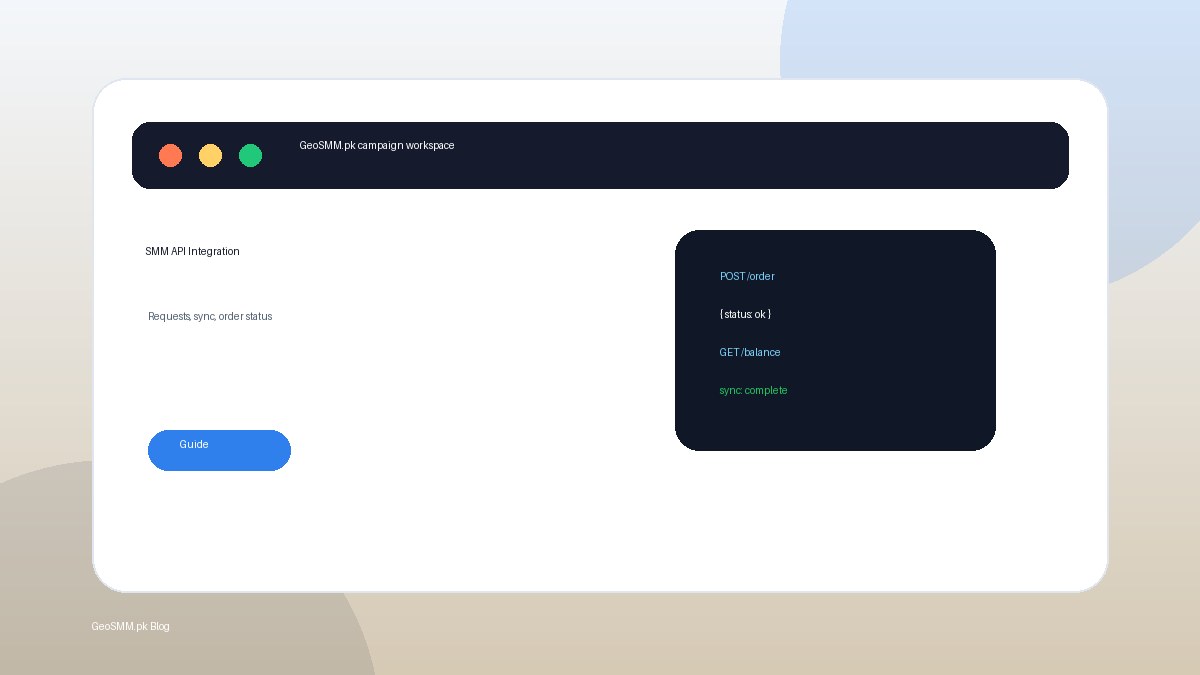
To place an order via the API, send a POST request containing your API key, the action (usually 'add'), the service ID, the target link (such as a profile URL or video link), and the quantity. Here is a typical developer checklist for handling order submissions:
- Input Validation: Validate the target URL format and quantity parameters on the client side before sending the API request. For example, ensure the quantity falls within the service's minimum and maximum limits.
- Payload Encoding: Ensure all parameters are properly URL-encoded or JSON-encoded depending on the provider's specification.
- Response Handling: Check the returned JSON for an 'order' ID. Store this ID in your database to track progress. If the response contains an 'error', log it and display a friendly message to the client.
Additionally, developers should implement a transactional logging system that records the raw request payload and the raw response body. This log is invaluable for debugging discrepancies between local records and the provider's status logs.
Syncing Order Statuses and Balances
Once an order is submitted, you must keep its status updated in your database. SMM orders transition through several states, including Pending, In Progress, Completed, and Canceled. Developers should schedule a cron job (for example, running every 5 to 10 minutes) that loops through active orders, sends a status check request to the API, and updates your local database status. To avoid hitting the provider's rate limits, implement batch status checks if the API supports them (passing multiple order IDs in a single request). Additionally, implement a cron job to check your provider balance daily, alerting you if it drops below a specific threshold. This balance check prevents order failures caused by insufficient funds in your master account.
When writing cron scripts, ensure they are executed via the CLI (command line interface) to bypass web server execution timeouts. Use PHP's CLI binary and schedule the script via cPanel Crontab or system crontab commands.
Handling Timeouts and Network Errors
Network latency and server downtime are inevitable. Your integration code must handle curl timeouts and connection failures gracefully. Set a reasonable timeout limit (for example, 10 seconds) on your HTTP requests. If a request times out, do not mark the order as failed instantly. Instead, log the timeout and flag the order for a retry in the next queue run. This precaution prevents duplicate orders and protects your reseller balance from double-billing. You should also configure error notifications (via email or chat webhooks) to alert your technical team if the API returns persistent connection errors.
Conclusion and Actionable Steps
Integrating SMM APIs requires clean, structured code and robust error handling. To get started with your integration:
- Retrieve your API key from the provider's account settings page.
- Review the JSON endpoints for balance checks, order placement, and status updates.
- Develop a local test script to send a mock order and inspect the JSON response.
- Build cron jobs to automate status synchronization and balance alerts.
- Set up comprehensive logging to record API errors and transaction histories.
- Pace status synchronization intervals to avoid hitting provider rate limits.
Building a Local Cache and Queue Failover System
In high-volume SMM portals, developers should implement a local cache layer and an order queue failover system. When a client submits an order on your site, save it immediately to a local database queue with a status of 'Queued' rather than calling the provider API synchronously. A background worker (using a message broker like Redis or a simplified cron database queue) should process this queue asynchronously, sending orders to the provider API one by one. This architecture protects your site from crashing if the provider server experiences network delays or returns 504 Gateway Timeouts.
If the API returns a temporary database error or connection timeout, the background worker should automatically increment a retry counter and leave the order in the queue. Only mark the order as failed after 3 unsuccessful attempts, and automatically trigger a notification to your system administrator. By decoupling the client-side checkout from the external API call, you ensure a fast, reliable user experience on your reseller portal, protecting your server resources and keeping order logs clean.
FAQs
How often should I sync order statuses?
We recommend scheduling status checks every 5 to 10 minutes to avoid hitting provider rate limits while keeping data fresh.
What is the best way to store my API key?
Store your API key in secure environment variables or database constants rather than hardcoding it in scripts.
How do I handle API connection timeouts?
Set a curl timeout limit and flag timed-out orders for a retry in the next queue run to prevent duplicate orders.
Can I check multiple order statuses at once?
Yes, if the provider API supports a multi-status action, you can pass a list of comma-separated order IDs in one request.
Start with GeoSMM.pk
Compare services, add funds, and track SMM orders from one dashboard built for Pakistan users and resellers.